Which electric boat motors are licence-free? Every model for Germany, Switzerland and Austria
Torqeedo, ePropulsion, Mercury, Aquamot, VETUS, TEMO and Remigo: which electric motors stay below 7.5, 6 and 4.4 kW, and where it gets unclear.

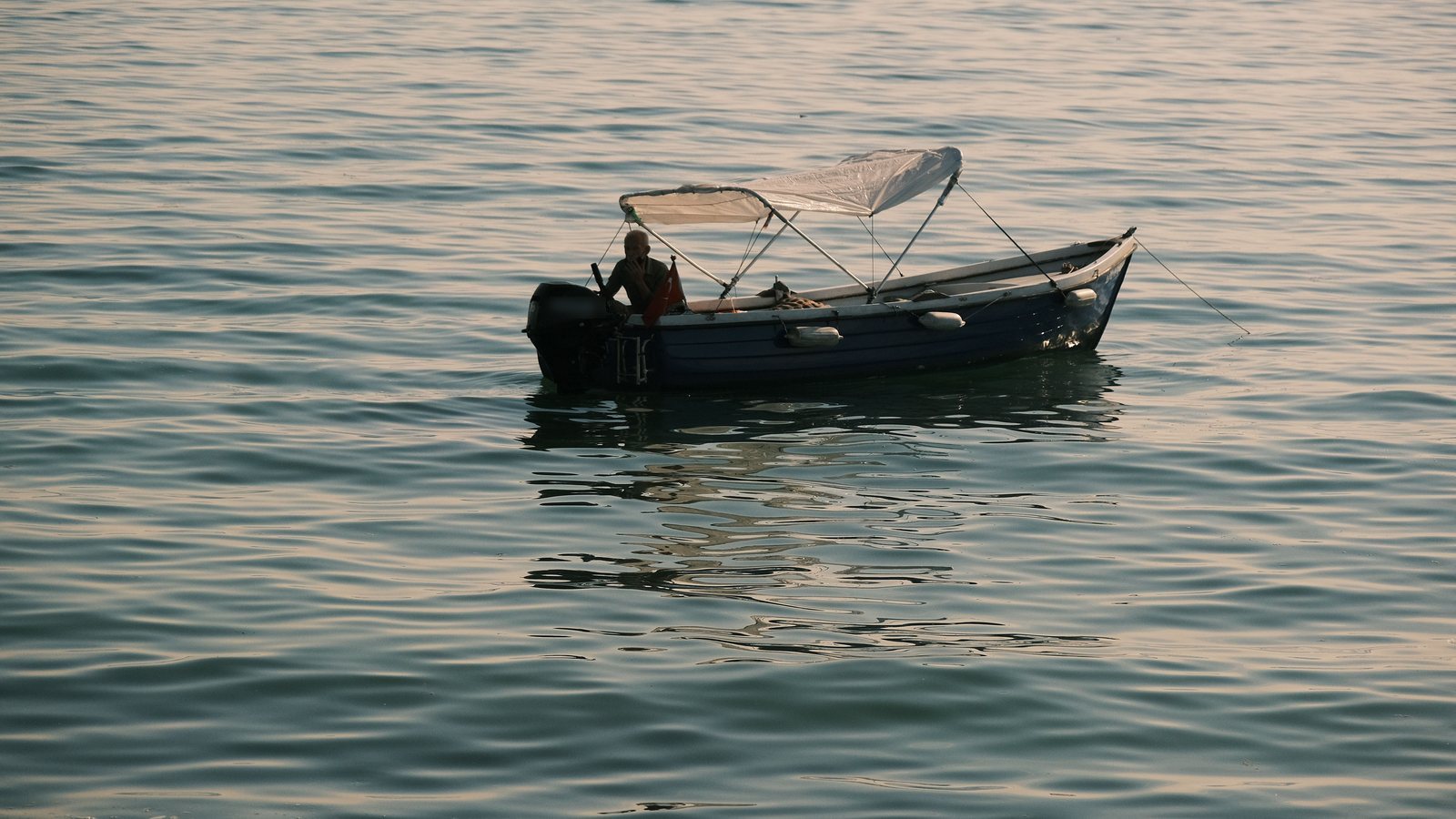
In Germany, every electric motor up to 7.5 kW continuous power is licence-free, in Switzerland up to 6 kW, in Austria and on Lake Constance below 4.4 kW. That means all small outboards from Torqeedo, ePropulsion, TEMO, Remigo and Mercury up to the Avator 20e can be used everywhere without a licence. For 6 kW motors and the Mercury Avator 35e and 75e it depends on the country, and sometimes it is unclear which kW figure counts. In the UK and the Netherlands motor power does not decide the question at all.
Which limit applies where?
| Country / waters | Licence-free with an electric motor | Source |
|---|---|---|
| Germany, federal waterways | up to 7.5 kW continuous power, from age 16 | § 5 SpFV |
| Switzerland | up to 6 kW, from age 14 | Inland Navigation Ordinance |
| Austria | below 4.4 kW | RIS |
| Lake Constance (DE, AT, CH) | up to 4.4 kW | Lake Constance Navigation Regulations |
In the Netherlands, length and speed count rather than motor power (under 15 m, no more than 20 km/h). In the UK you need no licence to drive a private pleasure boat. Details and special cases are in Electric boat without a licence.
Which motors are licence-free?
Based on the manufacturers' figures and our reading of the limits:
| Motor | Power (manufacturer) | Germany (7.5 kW) | Switzerland (6 kW) | Austria, Lake Constance (4.4 kW) |
|---|---|---|---|---|
| TEMO·450, T700, TEMO·1000 | 0.45 / 0.7 / 1.1 kW | ✅ | ✅ | ✅ |
| RemigoOne Go | 1 kW, boost 1.5 kW | ✅ | ✅ | ✅ |
| Torqeedo Travel XS, S/L, Ultralight | 0.7 / 1.1 / 1.1 kW input | ✅ | ✅ | ✅ |
| Torqeedo Travel XP | 1.6 kW (table: 1.1 kW) | ✅ | ✅ | ✅ |
| ePropulsion Spirit 1.0 | 1 kW | ✅ | ✅ | ✅ |
| ePropulsion Spirit 2 | 2 kW, boost 3 kW | ✅ | ✅ | ✅ |
| Mercury Avator 7.5e | 0.75 kW shaft, 0.92 kW input | ✅ | ✅ | ✅ |
| Mercury Avator 20e | 2.2 kW shaft, 3.08 kW input | ✅ | ✅ | ✅ |
| Aquamot Trend 1.8 (outboard) | 1.8 kW | ✅ | ✅ | ✅ |
| Aquamot Trend 2.2 UF / 4.3 UF (pod) | 2.2 / 4.3 kW | ✅ | ✅ | ✅ |
| Torqeedo Cruise 3.0 | 3 kW input, 2.3 kW shaft | ✅ | ✅ | ✅ |
| ePropulsion Navy 3.0 Evo | 3 kW | ✅ | ✅ | ✅ |
| Mercury Avator 35e | 3.7 kW shaft, 4.47 kW input | ✅ | ✅ | unclear |
| VETUS E-Line 6 kW (inboard) | 5.6 kW, peak 7.3 kW | ✅ | unclear | ❌ |
| Aquamot Trend 6.0 UF | 6 kW | ✅ | ✅ | ❌ |
| Torqeedo Cruise 6.0 | 6 kW input, 4.9 kW shaft | ✅ | ✅ | ❌ |
| ePropulsion Navy 6.0 Evo | 6 kW | ✅ | ✅ | ❌ |
| Mercury Avator 75e | 7.5 kW shaft, 8.6 kW input | unclear | ❌ | ❌ |
| Aquamot Trend 8.0 UF | 8 kW | ❌ | ❌ | ❌ |
| Mercury Avator 110e | 11 kW shaft, 12.8 kW input | ❌ | ❌ | ❌ |
Motor data sources: Torqeedo Travel, Torqeedo Cruise (manual), ePropulsion Spirit 2, ePropulsion Navy Evo, Mercury Avator (brochure), Aquamot Trend 1.8, Aquamot pod motors, VETUS E-Line, TEMO, Remigo. Models, prices and batteries in detail are in our comparisons Torqeedo and ePropulsion, TEMO and Remigo, Mercury Avator and RAD Propulsion and VETUS and Bellmarine.
Why is the classification sometimes unclear?
Because manufacturers state different figures and no regulation says exactly which one is meant. The German ordinance refers to continuous power. Mercury, however, gives shaft power and input power, Torqeedo only input power for its small motors, and ePropulsion and Aquamot simply "power" without further detail. Where the figures fall on different sides of the limit, we have marked "unclear":
- Mercury Avator 35e in Austria and on Lake Constance: shaft power of 3.7 kW is below 4.4 kW, input power of 4.47 kW above.
- Mercury Avator 75e in Germany: shaft power sits exactly on the limit at 7.5 kW, input power is above it at 8.6 kW.
- VETUS E-Line 6 kW in Switzerland: 5.6 kW maximum input power is below 6 kW, the 7.3 kW peak above.
In such cases, ask the dealer to confirm the motor's continuous power in writing, or check with the responsible authority. For the Torqeedo Travel XP the manufacturer contradicts itself (1.6 kW in the description, 1.1 kW in the table); for the licence limit it makes no difference.
What about bow motors and two motors on board?
We cannot classify bow motors for fishing, such as those from Minn Kota: Minn Kota states thrust but no power in kilowatts. No legal text mentions bow motors explicitly. The German ordinance refers to "a propulsion engine" and does not say how two motors are to be counted. In Austria the law refers to "the power of the propulsion engines" in the plural, so a main motor and a bow motor would probably be added together there. That is our reading; if you want to run two motors, check with the authority first.
Sources and image rights
- Images
- Rahime Gül / Pexels (conditions)
- Checked
- 29 October 2026 by Andreas Lakeberg
Know a rule, a price or a model we missed? Write to contact@voltnautic.com. We check every tip against the source and note updates at the top of the article.
Legal notice. This article is a general summary of regulations and is not legal advice. Only the linked laws and regulations in their current version and the responsible authority are binding, for example the navigation authority, the local council or the lake operator. Information checked: 29 October 2026.
Disclaimer. We research every article carefully and to the best of our knowledge. Prices, models and regulations change, so we cannot guarantee that all information is complete, current or correct. Please check anything important with the original source before you make a decision. To the extent permitted by law, we accept no liability for errors or omissions.